A swim spa on the deck, done right.
Relocating an existing swim spa from Hot Springs onto the deck — with a weatherproof big-screen TV, IP-rated LED lighting, and an outdoor shower on a handheld hose. Here is the plan, the parts that actually matter, and real examples of the look.
The project
The swim spa is already owned; it is coming from Hot Springs, Arkansas, to live on the deck. The build is DJ's (buildit356@gmail.com). Around the spa we want three things done properly: a big-screen TV that survives being outdoors next to water, lighting that makes the whole setup work after dark, and an outdoor shower for rinsing off before and after a soak.
None of that is hard. The two things that decide whether this is a good build or a regret are underneath it all: what the deck can carry, and how the power is run. Those come first, so they are first below.
Read this before anything else — the load. A swim spa is not a hot tub. Filled, a mid-size swim spa holds roughly 1,500 to 3,000 gallons of water. Water weighs 8.34 lb per gallon, so the water alone is often 13,000 to 25,000 lb — call it 7 to 12 tons once you add the shell and the people in it. A standard residential deck is not built for that. The deck structure and footings have to be engineered for the filled weight, or the spa needs to sit on a reinforced pad or piers, with the deck built around or over it. This is the single most important line on the page: DJ should confirm the load path before the spa is moved.
The waterproofed big-screen TV
"Waterproof a TV" really means two honest choices. Both are real and both work; the right one depends on budget and how exposed the screen will be.
A purpose-built outdoor TV
Typically ~$1,500–$5,000+ depending on size and brightness class
Sealed, weather-rated sets made for this — SunBriteTV, Séura, Furrion Aurora. They are IP-rated against rain and dust, run far brighter than an indoor TV so they stay visible in Texas sun, and handle humidity and temperature swings.
- Pick the brightness class for the spot: full-shade, partial-sun, or full-sun models.
- No enclosure to build; cleanest look.
- Higher up-front cost is the trade-off.
A weatherproof enclosure + a normal TV
Enclosure ~$300–$800 + a standard TV
A sealed housing around an ordinary indoor TV — The TV Shield, Storm Shell, Apollo Enclosures. Much cheaper, and it protects a set you may already own.
- Best when the TV lives under real cover and out of direct splash.
- Bulkier; add an anti-glare screen for daytime.
- Some enclosures offer a fan/heater for humidity and cold.
Either way, mount it at the dry end. Put the screen under a pergola, roof overhang, or a built soffit — not out over the water — on a tilting mount angled down and away from splash. Keep it out of the arc where spray and steam reach.
Power & anti-fog, the non-negotiables
- Dedicated GFCI-protected circuit for the TV, on its own from the spa's power. Have a licensed electrician run it.
- In-use ("bubble") weatherproof outlet cover so the plug stays sealed while connected.
- Drip loop in every cord so water runs off, not back into the outlet or the set.
- Match the TV's brightness class to its sun exposure; a shade-rated screen in full sun washes out and can overheat.
- Give an enclosed TV a little ventilation so humidity does not fog it; some enclosures include a fan/heater.
LED lighting
Lighting is what turns the spa from a daytime feature into the reason people stay out after dark. Use IP65 or IP67 rated color-changing (RGB / RGBW) LED — anything less is not meant to be wet.
- Spa surround and under-bench / toe-kick glow for the water's edge.
- Deck perimeter and step lights so the whole platform reads at night and nobody misses a step.
- Low-voltage (12V or 24V) runs, with the transformer/driver mounted somewhere dry and ventilated.
- A smart controller (app or remote) for color, scenes, and dimming.
The outdoor shower
A rinse before and after keeps the spa water clean and the soak feels better. Plan a deck-mounted hot/cold shower with a handheld head on a slide bar and an extender hose, so it reaches for a real rinse.
- Hot and cold mixing valve — not just a cold hose bib.
- Freeze protection for winter: a drain-down line or frost-proof valve so nothing splits in a cold snap.
- Drainage matters most: slope the pad and add a drain, gravel bed, or French drain so greywater does not pool on the deck or rot the boards.
- A simple privacy screen if the deck is open to neighbors.
The checklist for DJ
- Confirm the load path first. Engineer the deck/footings for the filled weight, or set the spa on a reinforced pad/piers. Nothing else starts until this is settled.
- Electrical: licensed electrician for the spa's dedicated GFCI circuit + disconnect, and a separate GFCI circuit for the TV and lighting. Bond and ground the spa per code.
- Level base and equipment access panels kept reachable after the deck is built around the spa.
- TV: choose outdoor TV vs enclosure, pick the brightness class, mount tilted at the dry end under cover, on an in-use-covered GFCI outlet with drip loops.
- LED: IP65+ RGBW, low-voltage runs, transformer in a dry spot, smart controller.
- Outdoor shower: hot/cold mixing valve, handheld + extender hose, freeze protection, and real drainage.
- Permits: check whether the deck load change and the electrical work need a permit locally before starting.
Similar installations
Real, freely-licensed photos of the pieces of this build — swim spas, deck-set hot tubs, spa lighting after dark, and outdoor showers. They show the look and the format, not the exact final design.
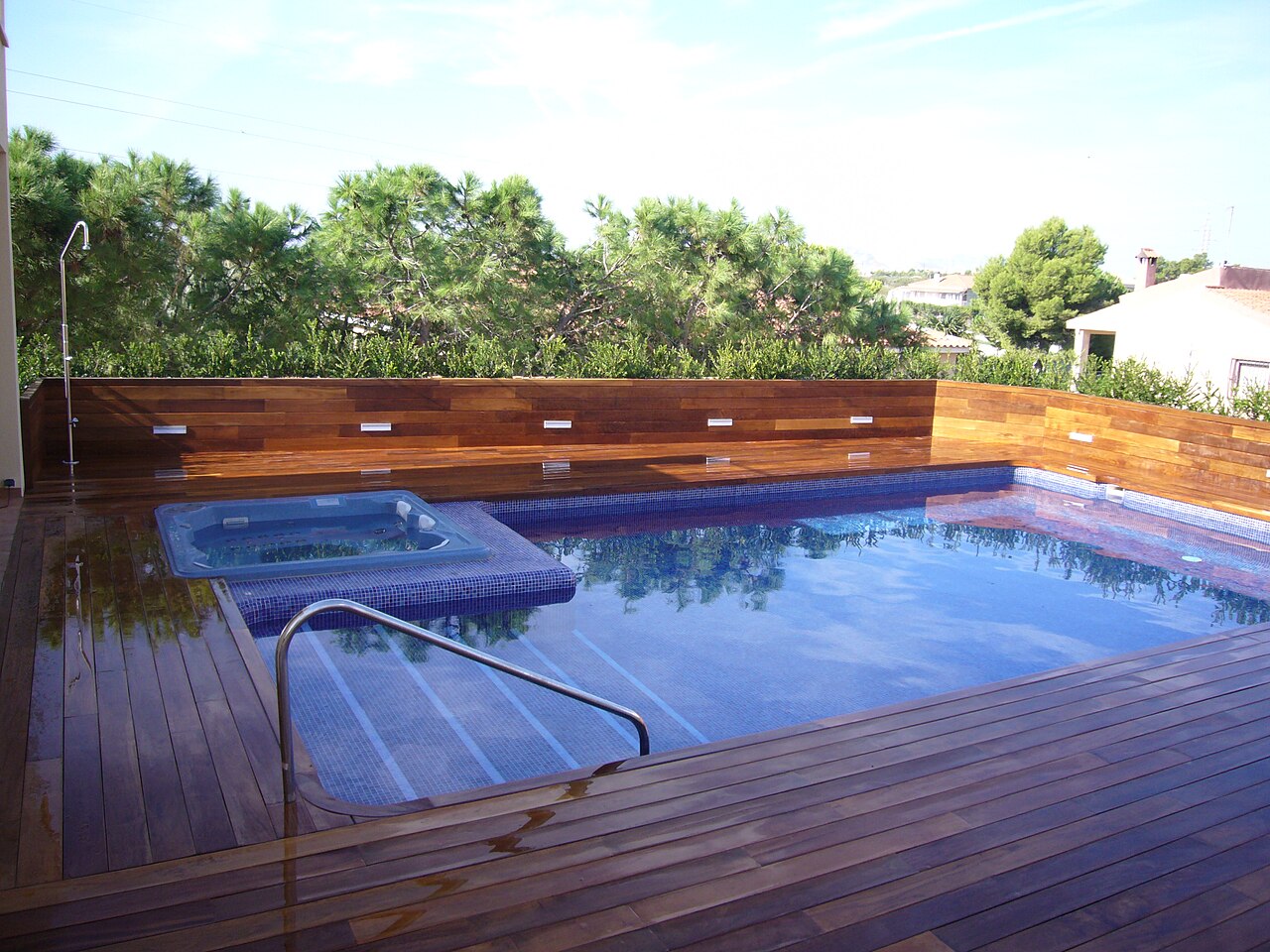
A swim spa — the swim-current format the Hot Springs unit follows.
Photo: Emocionate18, Wikimedia Commons, CC BY-SA 3.0

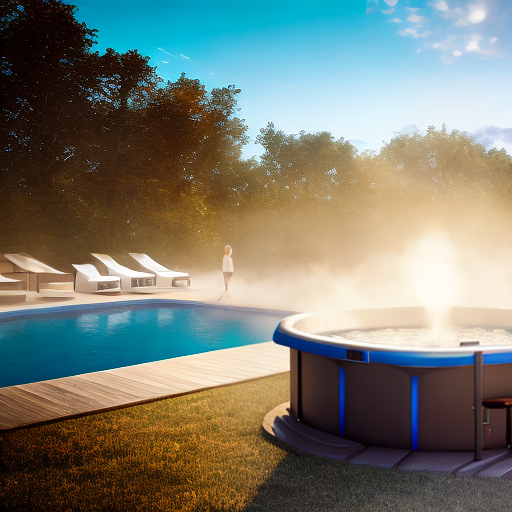
A swim-spa and hot-tub combo layout.
Photo: Swimspaslab, Wikimedia Commons, CC BY-SA 4.0

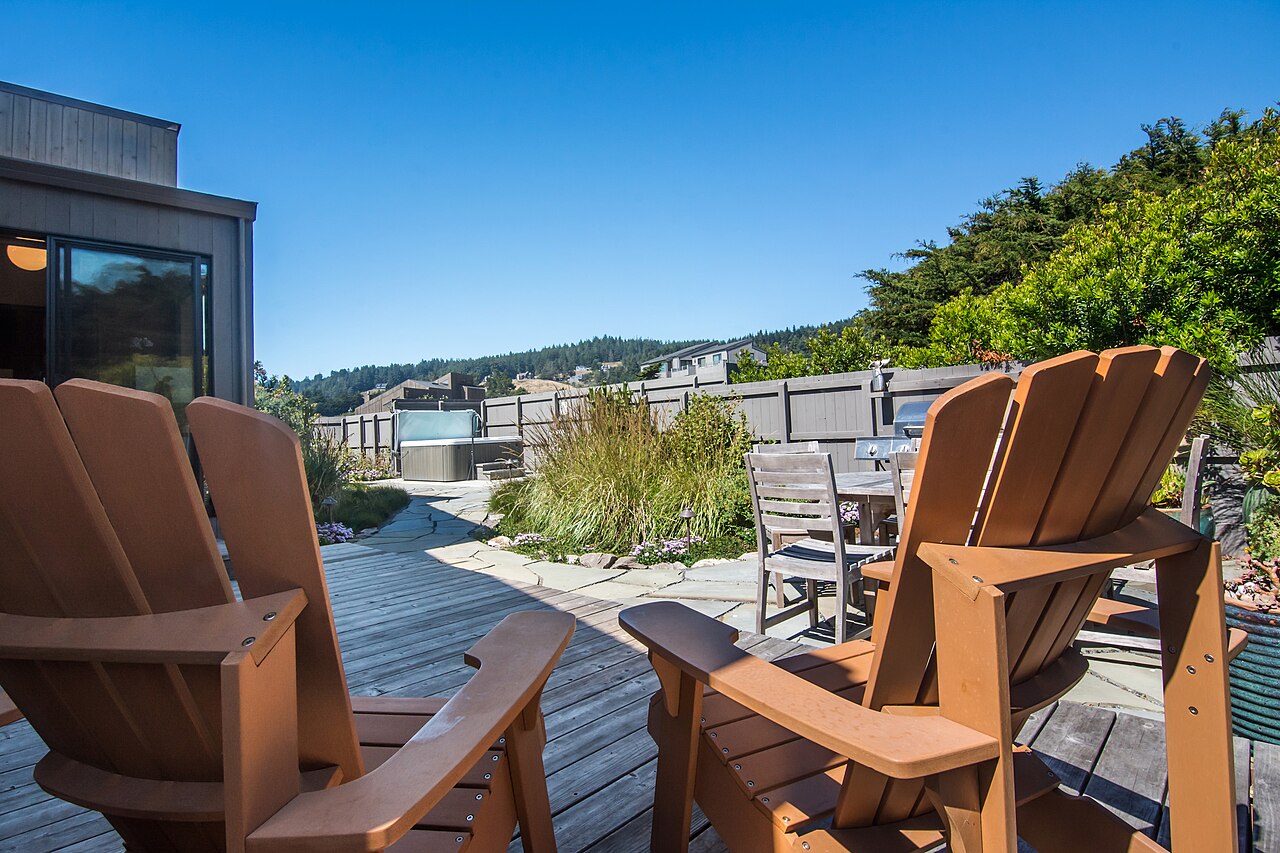
A spa set into a wood deck with a view — the deck-integrated look we're after.
Photo: TSRAbaloneBay, Wikimedia Commons, CC BY-SA 4.0

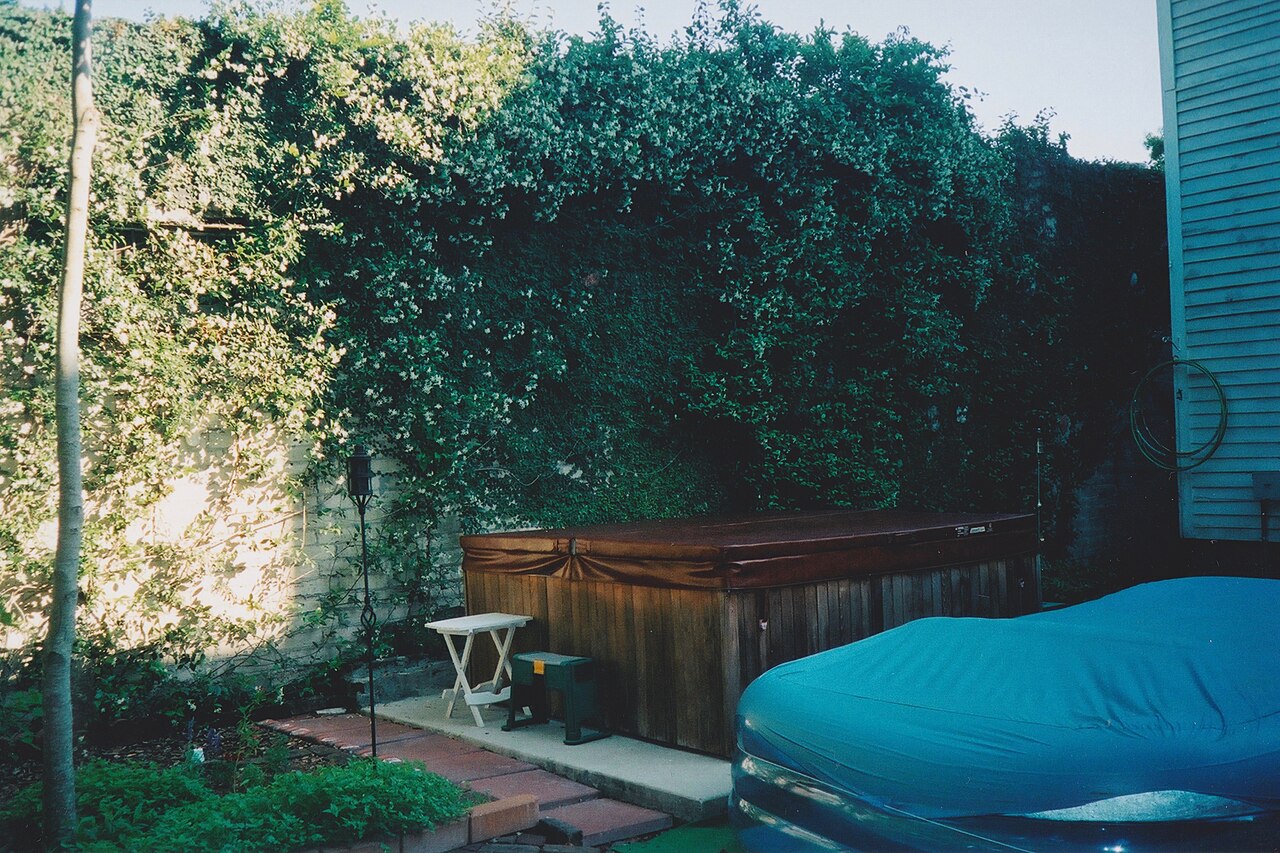
A backyard deck hot tub — siting and scale reference.
Photo: Infrogmation of New Orleans, Wikimedia Commons, CC BY-SA 4.0

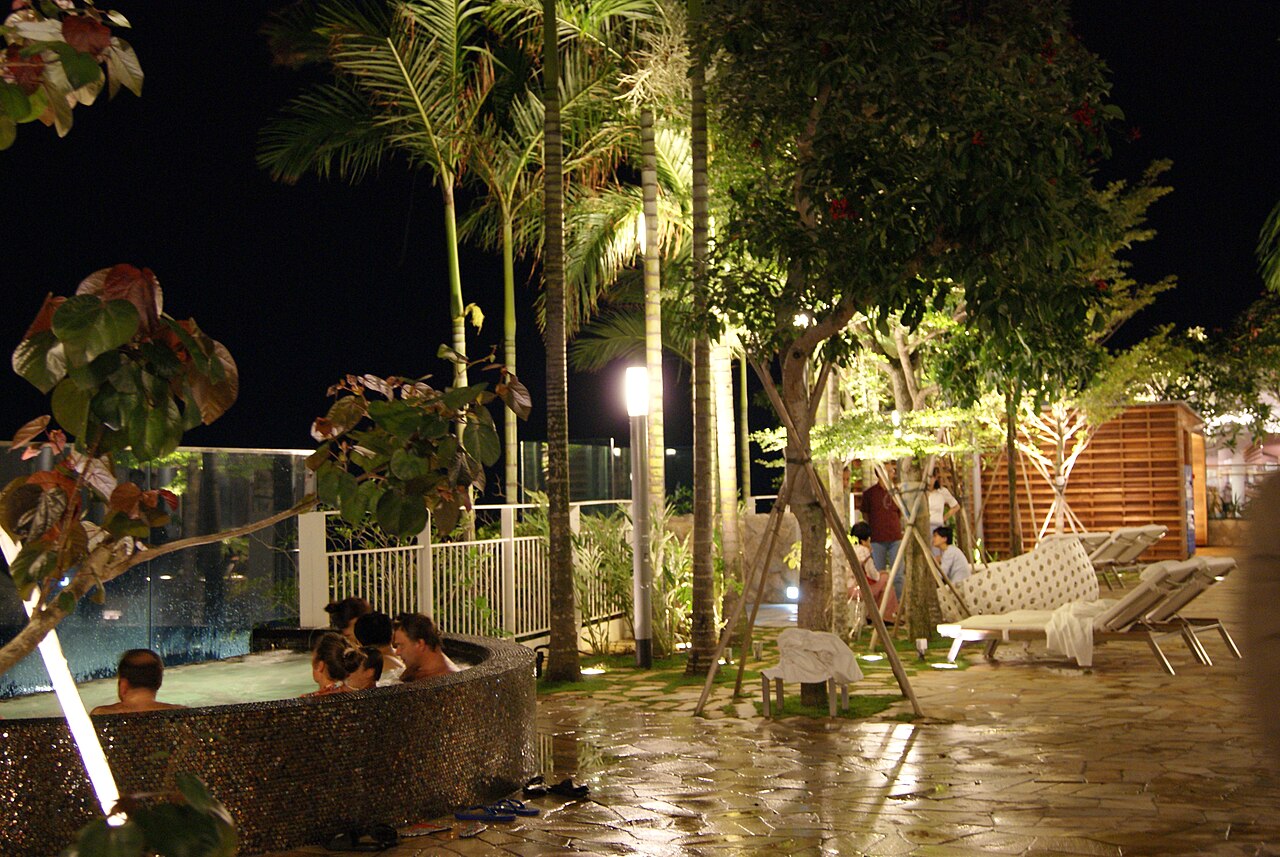
Spa lighting after dark (a rooftop example) — the ambience good LED work creates.
Photo: Jacklee, Wikimedia Commons, CC BY-SA 3.0

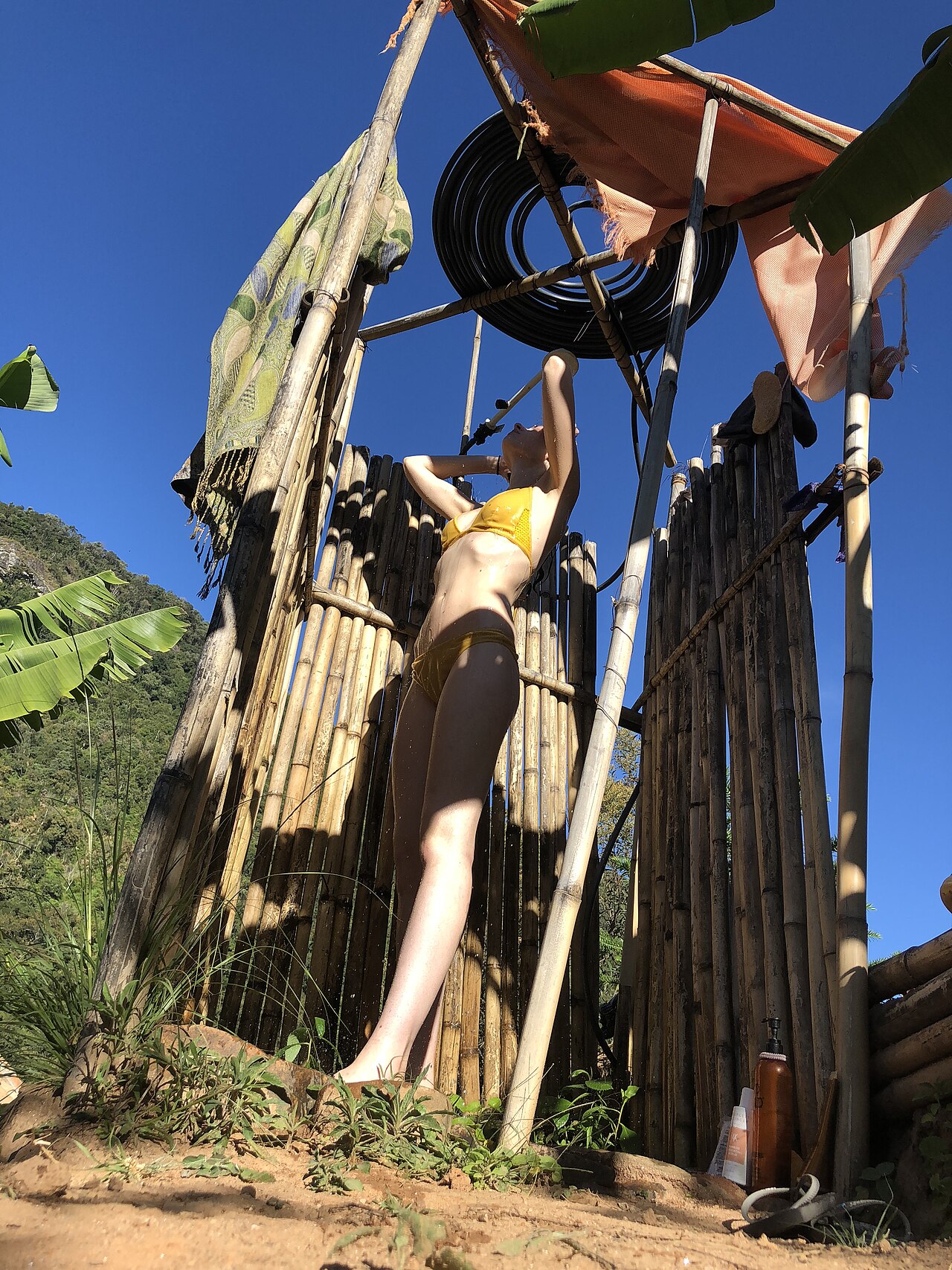
A deck-side outdoor shower for rinsing off before and after.
Photo: Daniellaguips, Wikimedia Commons, CC BY-SA 4.0

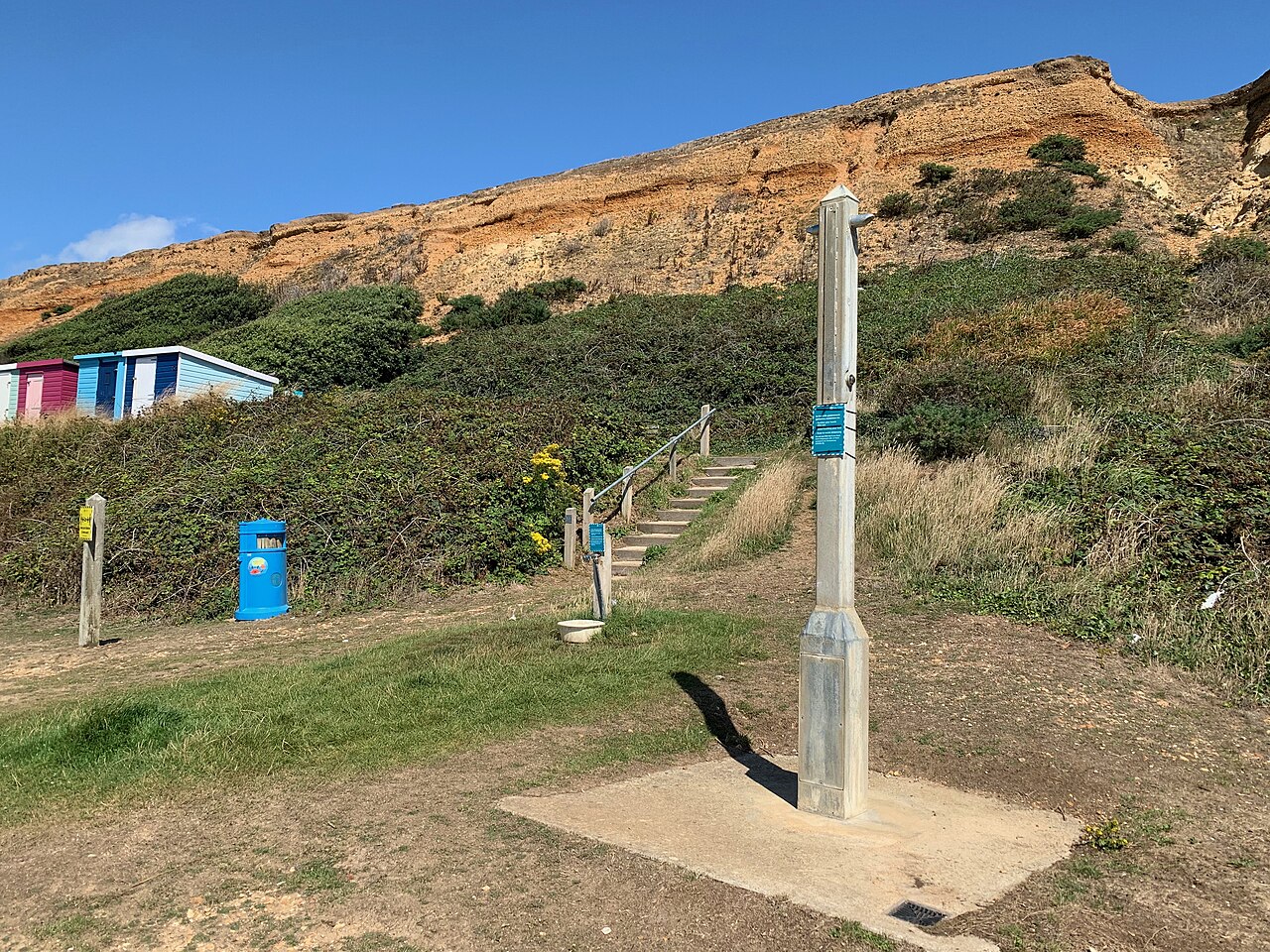
A simple fixed outdoor deck shower.
Photo: Wkmdjay, Wikimedia Commons, CC0

Next step: DJ confirms the deck load path and the electrical plan, then we lock the TV choice and the lighting layout. Questions or corrections: buildit356@gmail.com.
Photo credits
All photos are real, freely-licensed images from Wikimedia Commons, used to illustrate the build. Credits: Emocionate18 (CC BY-SA 3.0); Swimspaslab (CC BY-SA 4.0); TSRAbaloneBay (CC BY-SA 4.0); Infrogmation of New Orleans (CC BY-SA 4.0); Jacklee (CC BY-SA 3.0); Daniellaguips (CC BY-SA 4.0); Wkmdjay (CC0). Follow each link above for the source file and full license terms.